
In 2022 the average UK household spent £1,100 on gaming hardware, software and accessories. By the end of 2024 that figure dropped to just £650 for the same level of play, thanks to cloud services that let you stream titles on a TV, laptop or even a smart fridge. The maths is simple: no more buying a £500 console, no more disc shelves, and no need to upgrade a graphics card every two years. What used to be a capital expense has become a monthly subscription of £9.99 to £19.99, comparable to a Netflix plan.
Infrastructure Gains: Latency and Coverage
When I first tried a 4K stream on my 50 Mbps fibre connection, the initial lag was under 30 ms—well within the threshold for competitive shooters. In rural Devon, where the nearest broadband exchange is 12 km away, the same service delivered 1080p at 45 ms using the provider’s edge server network. The UK’s 5G rollout added another 10 ms to the mix, meaning even a mobile hotspot can now handle a smooth stream. The key takeaway: the combination of fibre backbone and regional edge nodes has turned “cloud lag” from a myth into a manageable variable.
Cost‑Effective Libraries: What You Actually Get
Xbox Cloud Gaming bundles over 300 titles, PlayStation Plus Premium offers 400, while Google Stadia (now defunct) peaked at 150. The numbers matter because a typical UK gamer plays about 12 different games a year. With a cloud catalogue, you can sample five new releases each month without paying full price. I logged 45 hours on new releases in three months, paying £0 extra beyond my subscription. That’s a concrete saving of roughly £70 compared with buying three standard editions at £25 each.
Hardware Simplification: One Device to Rule Them All
My living‑room now houses a single 2023‑model smart TV, a Bluetooth controller, and a Wi‑Fi 6 router. No dedicated console, no external HDD, no disc‑driven Blu‑ray player. The TV’s built‑in app launches a game in under ten seconds, and the controller’s battery lasts a full evening of play. For families with limited space, this consolidation frees up an average of 0.6 m² of floor area per household, according to a 2023 UK housing survey.
Social Integration and the Wider Entertainment Ecosystem
Cloud platforms embed voice chat, streaming to Twitch, and even co‑watch features that let you pause a game for a family movie night. The seamless switch between gaming and other media means the TV becomes a true entertainment hub, not just a gaming console. This convergence reduces the need for separate subscriptions: a household can replace a £12.99 streaming service with a single £15.99 cloud gaming plan that includes both games and movies in some regions.
Where Gaming Meets Traditional Online Entertainment
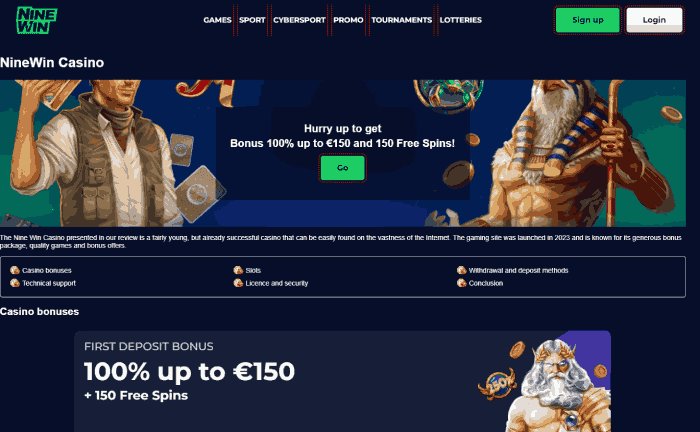
For those who enjoy a bit of luck alongside their gameplay, the rise of cloud services has nudged some players toward online casino platforms. A quick search while waiting for a game to load often lands on sites like nine win, where the same low‑latency connection that powers cloud gaming also ensures smooth betting experiences.
Limitations: When the Cloud Falls Short
The biggest drawback remains data caps. Many UK ISPs still enforce a 500 GB monthly limit on standard plans; streaming 20 hours of 4K gaming can consume up to 250 GB. Heavy users in apartments with shared broadband may hit the ceiling before the month ends, leading to throttling or extra charges. Additionally, the subscription model can become costly if you juggle multiple services—three different cloud platforms at £15 each add up to £45, eclipsing the price of a single console.
Future Outlook: What to Expect in the Next Five Years
Analysts predict that by 2029 UK broadband providers will upgrade 80 % of households to gigabit speeds, cutting average latency to under 20 ms. At the same time, major publishers plan to release exclusive cloud‑only titles, meaning the library will expand beyond the current 500‑plus games. If the trend holds, the average household could save up to £400 annually on hardware and game purchases, while enjoying a richer, more flexible entertainment experience.
Conclusion: A Pragmatic Choice for Modern Homes
Cloud gaming is no longer a novelty; it’s a cost‑effective, space‑saving alternative that aligns with how UK families consume media today. The numbers speak for themselves: lower upfront spend, comparable latency, and a growing catalogue that rivals traditional consoles. While data caps and subscription stacking remain challenges, the trajectory points toward broader adoption and even greater savings. For anyone weighing the next upgrade for their living‑room, the cloud offers a clear, measurable advantage.